

What Is Toyota Extra Care Protection and How Does It Benefit You?
When purchasing a new or pre-owned Toyota, long-term peace of mind is one of the biggest advantages of choosing the brand. Toyota already has a...
Read more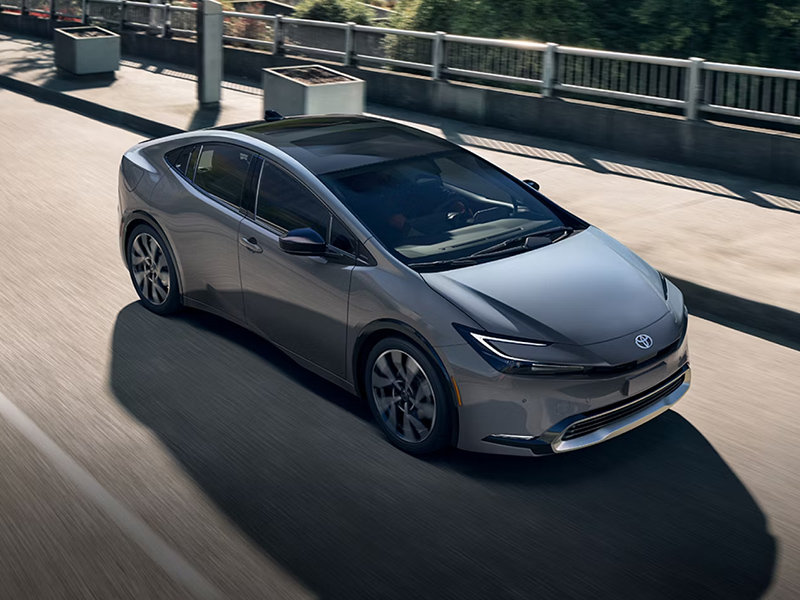
With Toyota offering more electrified options than ever, many drivers find themselves comparing the brand’s traditional hybrid vehicles with the new generation of Toyota Plug-In Hybrid models. On one side, you have well-established hybrids like the RAV4 Hybrid, Corolla Hybrid, Highlander Hybrid, and several others that use self-charging technology and require no external power source. On the other, Toyota now offers advanced plug-in hybrid options such as the Prius Plug-In and RAV4 Plug-In, which deliver extended electric driving thanks to larger batteries that can be charged from an outlet.
If you’re exploring Toyota’s electrified lineup and wondering which configuration best matches your lifestyle, this guide outlines five major differences between Toyota hybrid vehicles and Toyota plug-in hybrids.
The most fundamental difference between Toyota hybrids and Toyota plug-in hybrids is how they store and use electricity.
Toyota Hybrids
Hybrids such as the RAV4 Hybrid, Corolla Hybrid, and Highlander Hybrid use a self-charging battery. This system recharges itself automatically while you drive through regenerative braking and the gasoline engine. There’s no need to plug in, which makes ownership simple and convenient.
Toyota Plug-In Hybrids
The Prius Plug-In and RAV4 Plug-In use a larger, high-capacity battery designed to be charged from an external source—home charger, workplace charger, or public charging station. These batteries hold significantly more energy, allowing the vehicle to travel short to medium distances on electric power alone before the hybrid system activates.
Key takeaway: Plug-in models offer more electric capability, while hybrids focus on self-sufficiency with no charging required.
One of the major benefits of Toyota plug-in hybrid technology is the ability to drive using electric power only for daily commutes and errands.
Toyota Hybrids
Traditional hybrids can operate briefly on electricity at low speeds, but they are not designed for extended EV-only driving. Their electric motors primarily assist the gasoline engine to improve efficiency.
Toyota Plug-In Hybrids
The Prius Plug-In and RAV4 Plug-In can travel significantly farther using only electricity—often enough for most everyday drives. This allows drivers to complete many local trips without using any fuel at all, especially when charging regularly at home.
Key takeaway: If reducing gasoline use is a top priority, plug-in hybrids offer meaningful electric-only range, while traditional hybrids focus on long-term efficiency without needing any charging.
Both hybrid types are highly efficient, but they deliver fuel savings in different ways depending on driving habits.
Toyota Hybrids
Self-charging hybrids shine in mixed and highway driving, where their combination of electric assistance and efficient gasoline engines keeps fuel consumption low. They are ideal for drivers with unpredictable schedules, long distances, or limited access to charging.
Toyota Plug-In Hybrids
Plug-in hybrids provide exceptional efficiency when frequently charged, allowing many trips to be completed without starting the gasoline engine. Even when the battery is depleted, the vehicle transitions into a regular hybrid mode, still delivering excellent fuel economy.
Key takeaway: Plug-ins provide the greatest fuel savings when charged daily, while traditional hybrids deliver consistent efficiency regardless of charging availability.
Because plug-in hybrids use larger electric motors and batteries, they often deliver a more powerful and responsive driving experience.
Toyota Hybrids
Models like the RAV4 Hybrid and Corolla Hybrid offer smooth, balanced performance thanks to their electric-motor assistance. Acceleration is linear and refined, making them ideal for everyday driving.
Toyota Plug-In Hybrids
The Prius Plug-In and RAV4 Plug-In benefit from increased electric torque, resulting in quicker acceleration and a more dynamic feel during EV driving. The RAV4 Plug-In, in particular, is one of the most powerful vehicles in the Toyota lineup.
Key takeaway: Plug-in hybrids tend to deliver stronger acceleration and a more energetic response, especially in electric mode.
Choosing between a Toyota hybrid and a Toyota plug-in hybrid depends heavily on your routine and lifestyle.
Toyota Hybrids
Ideal for drivers who want an electrified vehicle without changing their habits, hybrids don’t require a charger and are perfect for long distances, varied routes, or shared family vehicles.
Toyota Plug-In Hybrids
Best for drivers with access to a home charger or regular workplace charging. Plug-ins reward structured routines—going to work, returning home, recharging overnight—with minimal fuel use and maximum electric driving.
They combine many benefits of full EVs with the long-distance security of a hybrid system.
Key takeaway: Hybrids favour maximum simplicity. Plug-in hybrids offer maximum electric capability for those who can charge frequently.
Which Toyota Electrified Vehicle Is Right for You?
If you want an efficient, low-maintenance vehicle that improves fuel economy without requiring external charging, a Toyota hybrid—such as the RAV4 Hybrid, Highlander Hybrid, or Corolla Hybrid—is an excellent choice.
If you want to take advantage of extended electric driving, lower fuel consumption for daily commutes, and added performance, a Toyota Plug-In Hybrid like the Prius Plug-In or RAV4 Plug-In may be the ideal match.
At Toyota St-Thérèse, our team can walk you through both options, compare driving ranges and features, and help you determine which electrified Toyota best fits your lifestyle and your routine.
What Is Toyota Extra Care Protection and How Does It Benefit You?
When purchasing a new or pre-owned Toyota, long-term peace of mind is one of the biggest advantages of choosing the brand. Toyota already has a...
Read more
5 Reasons Why Toyota Vehicles Are So Popular in Quebec
Toyota has earned a strong reputation across the province of Quebec, especially among drivers on the North Shore of Montréal who value a vehicle...
Read morePowered and developed by
